
Global Demand for Unprocessed and Processed Foods
Unprocessed and Processed Foods: Trends, Drivers, and Trade Opportunities
Introduction
The global food industry is undergoing a significant transformation driven by changing consumer preferences, population growth, urbanization, and evolving lifestyles. Across continents, demand for both unprocessed (fresh and minimally altered) foods and processed (value-added and packaged) foods is rising steadily, though for different reasons and market segments.
While unprocessed foods are gaining popularity due to health awareness and clean-label trends, processed foods continue to dominate urban and international markets because of convenience, longer shelf life, and evolving food technologies. Understanding these demand patterns is crucial for farmers, food manufacturers, exporters, importers, policymakers, and investors operating in global food supply chains.
Understanding Unprocessed and Processed Foods
Unprocessed Foods
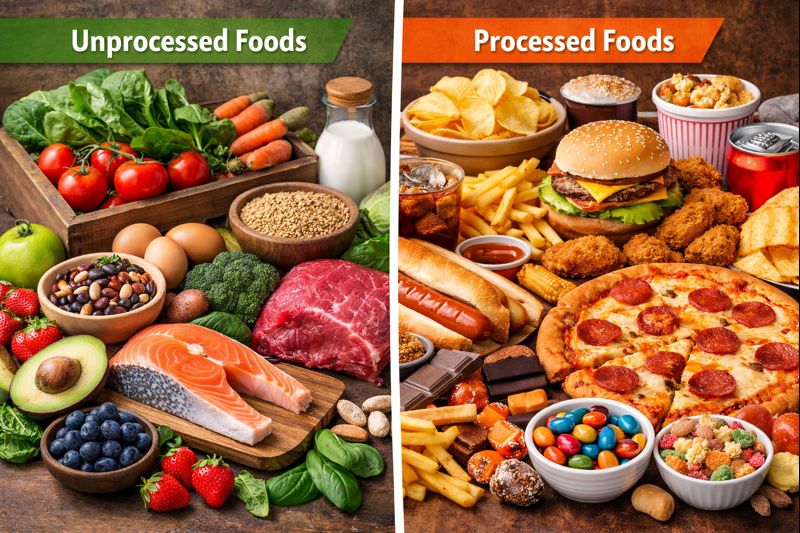
Unprocessed foods are natural foods that undergo little to no alteration before consumption. These include:
- Fresh fruits and vegetables
- Whole grains
- Pulses and legumes
- Fresh meat, poultry, and seafood
- Milk and raw agricultural produce
These foods retain their natural nutritional profile and are usually consumed fresh or after basic cleaning and cooking.
Processed Foods
Processed foods are those that have been altered from their original state to improve shelf life, taste, safety, or convenience. Examples include:
- Frozen foods
- Canned fruits and vegetables
- Packaged snacks
- Ready-to-eat (RTE) meals
- Dairy products like cheese and yogurt
- Bakery items and confectionery
Processing ranges from minimal (washing, freezing) to advanced (preserving, flavoring, fortifying).
Global Demand for Unprocessed Foods
Key Growth Drivers
- Rising Health Consciousness
Consumers worldwide are increasingly focused on nutrition, immunity, and wellness. This has boosted demand for:
- Organic produce
- Fresh fruits and vegetables
- Whole grains and plant-based proteins
Post-pandemic awareness has further strengthened the preference for fresh and natural foods.
- Clean Label and Natural Food Movement
Shoppers are carefully reading labels and avoiding artificial additives, preservatives, and excessive processing. This trend is particularly strong in:
- Europe
- North America
- Japan
- Australia
- Growth of Organic and Sustainable Farming
Demand for unprocessed foods produced using sustainable, pesticide-free methods is rising, creating export opportunities for developing countries. - Government Nutrition Programs
Many governments promote fresh food consumption through public health initiatives, school meal programs, and dietary guidelines.
Regional Demand Insights
- Asia-Pacific: Rapid growth due to population size, rising incomes, and traditional dietary habits
- Europe: Strong demand for organic and locally sourced produce
- Middle East: Heavy reliance on imports for fresh fruits, vegetables, and meat
- Africa: Growing domestic consumption and export potential for fresh agricultural commodities
Global Demand for Processed Foods
Key Growth Drivers
- Urbanization and Busy Lifestyles
As more people live in cities, demand for convenient, ready-to-cook, and ready-to-eat foods continues to rise. - Rising Working Population and Dual-Income Families
Time constraints drive consumption of packaged and frozen foods, especially in urban households. - Improved Cold Chain and Logistics Infrastructure
Advancements in cold storage, freezing technology, and global logistics have made processed food trade more efficient and scalable. - Food Innovation and Product Diversification
Food manufacturers are launching:
- Health-focused processed foods
- Fortified and functional foods
- Plant-based and vegan alternatives
- E-commerce and Modern Retail Expansion
Online grocery platforms and supermarkets have significantly increased accessibility to processed foods globally.
Regional Demand Insights
- North America: High consumption of packaged, frozen, and convenience foods
- Europe: Strong demand for premium, organic, and sustainably processed foods
- Asia-Pacific: Fastest growth due to changing diets and Western food influence
- Middle East & Africa: Rising imports of processed foods due to limited local manufacturing
Comparative Demand Trends: Unprocessed vs Processed Foods
| Aspect | Unprocessed Foods | Processed Foods |
|---|---|---|
| Shelf Life | Short | Long |
| Consumer Focus | Health & freshness | Convenience & taste |
| Logistics | Requires cold chain | Easier storage & transport |
| Value Addition | Low | High |
| Export Potential | Seasonal | Year-round |
Both segments are not competitors but complementary, serving different consumer needs and market conditions.
Impact on Global Trade and Export Opportunities
Opportunities for Developing Countries
- Export of fresh fruits, vegetables, grains, and pulses
- Value addition through processing to increase margins
- Entry into private-label and contract manufacturing
Key Exporting Regions
- Asia: Rice, spices, fruits, processed snacks
- Latin America: Fruits, vegetables, meat products
- Africa: Fresh produce, cocoa, grains
- Europe: Premium processed foods, dairy, bakery
Challenges in Global Food Trade
- Food safety and quality compliance
- Certification requirements (HACCP, ISO, Organic)
- Price volatility
- Supply chain disruptions
- Tariff and non-tariff barriers
Future Outlook
The future of global food demand lies in balanced growth between unprocessed and processed foods:
- Increased preference for minimally processed and functional foods
- Rising demand for plant-based and sustainable food products
- Greater emphasis on traceability, food safety, and ethical sourcing
- Expansion of food processing industries in emerging economies
Food businesses that adapt to these trends by combining nutrition, convenience, sustainability, and innovation will gain a competitive edge in international markets.
Conclusion
The worldwide demand for unprocessed and processed foods continues to grow, shaped by evolving consumer behavior, economic development, and technological advancements. While unprocessed foods cater to health-conscious consumers seeking freshness and nutrition, processed foods fulfill the modern need for convenience and variety.
For exporters, importers, and food entrepreneurs, this dual demand presents vast opportunities to diversify product portfolios, enter new markets, and build resilient global food supply chains. Strategic investment in quality, compliance, branding, and logistics will be the key to long-term success in the global food trade.